You did not fly thousands of miles, cross continents, and navigate the bustling streets of Istanbul just to step into a room that looks exactly like the wellness center in your local gym back home. Yet, this is the trap many travelers fall into. Lured by the promise of familiarity, they book a “Turkish Bath” experience in a high-rise hotel, only to find themselves in a tiled room with an electric steam generator. To truly understand the soul of this city, you must embrace the Traditional Turkish bath vs modern spa debate and choose history.
There is a profound difference between a service designed for tourists and a ritual designed for Sultans. At Sultan Selim Hamam, we offer more than just a wash; we offer a time-travel experience. In a world obsessed with the new and the technological, there is a healing power in the “old ways” that modern imitation simply cannot replicate. From the physics of the heating systems to the spiritual architecture of the dome, here is why the authentic path is the only one worth taking.
The Dilemma: 5-Star Hotel Spa or 500-Year-Old Hammam?
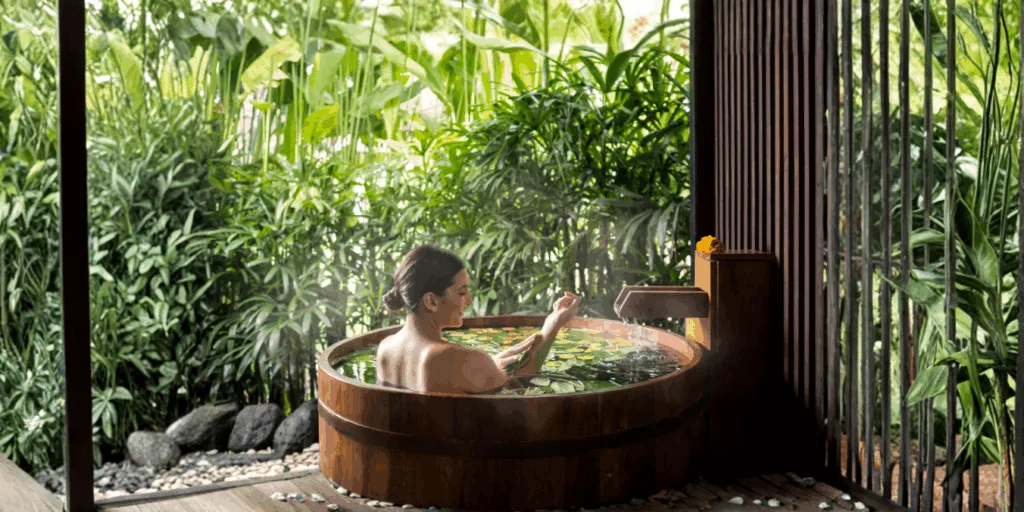
When you check into a luxury hotel, the concierge will often suggest their in-house spa. It is convenient, yes. It is clean, certainly. But is it real? A modern spa is often a sterile environment, a clinical collection of beige tiles and ambient electronic music designed to be inoffensive to a global audience. It is a “product” consumed in isolation.
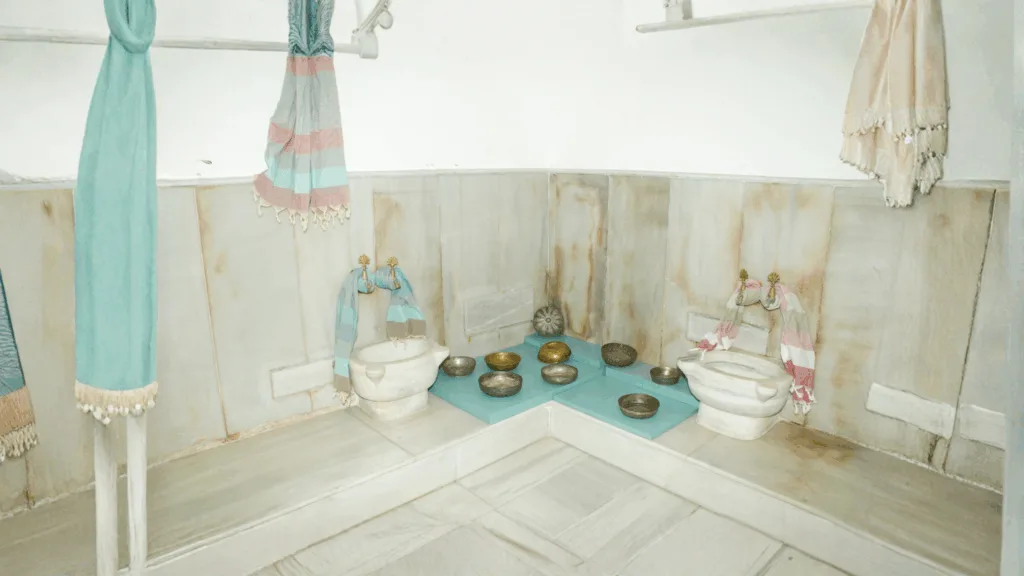
In contrast, an authentic hammam experience is a “process” rooted in community and heritage. When you step into Sultan Selim Hamam, you are entering a living museum. You are walking on marble that has been polished by the footsteps of generations. The air smells of natural olive oil soap, not synthetic lavender pumped through an AC vent. The difference is palpable. One is a commercial transaction; the other is a cultural immersion. Choosing the Real vs. Fake Hammam is the difference between watching a documentary about Istanbul and actually living in it.
The Architecture of Heat: Core Warming vs. Steam Generators
The most significant, yet often overlooked, difference between the two experiences lies in the engineering of the heat. This is not just about temperature; it is about how your body receives that temperature.
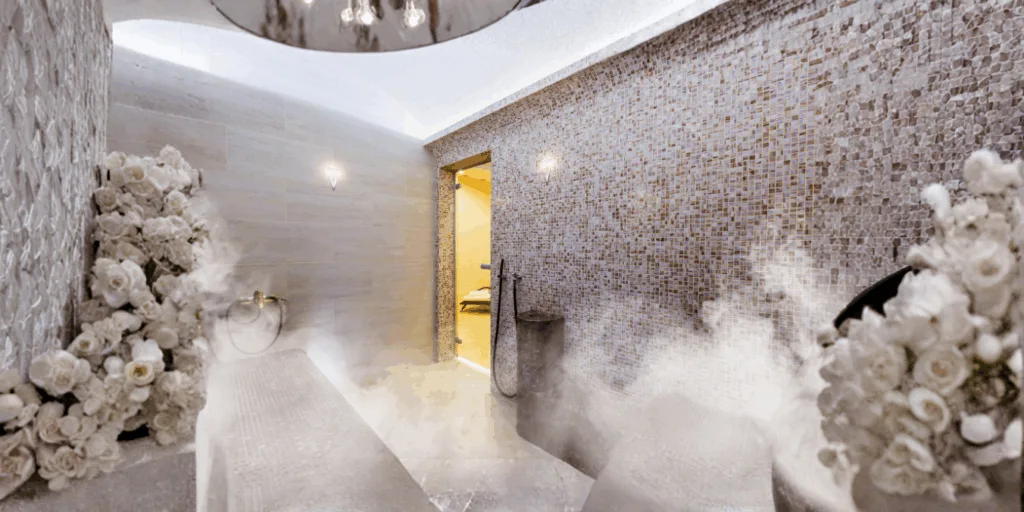
Modern spas rely on electric steam generators. These machines pump thick clouds of hot vapor into a cold-tiled room. The result is often an oppressive, suffocating heat that sits heavy on your lungs, making it difficult to breathe while leaving your muscles relatively cold. It is a surface-level heat.
Sultan Selim Hamam, however, utilizes the ancient Roman-Ottoman Hypocaust system. In this architectural marvel, the heat is not blown into the room; it radiates from the building itself. Fire furnaces beneath the building heat the marble floors and walls, turning the entire structure into a gentle thermal battery. This provides Marble heat benefits (Hypocaust system) that are medically superior. The heat travels via conduction, moving from the warm stone directly into your bones. It creates a “core warming” effect that relaxes deep muscle tissue and soothes joint pain without the suffocating humidity of a steam room. You can breathe freely while your body melts into the stone.
Why Marble Matters?
In a modern spa, you might lie on a plastic or composite bench. At Sultan Selim Hamam, you lie on the Göbektaşı (Navel Stone), a massive slab of heated marble located directly under the central dome. Marble is a natural stone with unique thermal conductivity properties. It holds heat at a consistent temperature that matches the body’s needs for relaxation. Lying on this stone induces a “passive workout” for your cardiovascular system, dilating blood vessels and preparing your skin for the scrub in a way that sitting in a steam cloud simply cannot achieve.
The Treatment: Vigorous Tradition vs. Gentle Modernity
If you are used to Western spa treatments, you might expect a gentle, sleepy application of lotions. Ottoman bathing culture is different. It is not passive; it is active and transformative.
In a modern spa, a therapist might gently exfoliate you with a grainy cream. It smells nice, but it rarely removes the deep layers of dead skin. The traditional scrub at Sultan Selim Hamam is a vigorous, physical ritual performed by an expert Tellak or Natır. Using a coarse mitt (kese), they physically roll away layers of dead skin that you didn’t even know you had.
This is the Healing power of tradition. It is a detoxification process that unblocks pores and stimulates the lymphatic system. The sensation is intense, invigorating, and incredibly satisfying. You leave not just feeling “moisturized,” but feeling literally lighter, with skin that breathes for the first time in years.
Comparison: Modern Spa vs. Historic Hammam
To visualize the difference, we have broken down the key elements of the experience:
| Feature | Modern Hotel Spa | Sultan Selim Hamam (Historic) |
| Heat Source | Electric Steam (Suffocating air) | Hypocaust Marble (Deep radiant heat) |
| Atmosphere | Clinical, artificial, windowless | Grand domes, natural light, acoustic resonance |
| The Scrub | Gentle creams/salts (Superficial) | Traditional Kese (Deep exfoliation) |
| The Water | Showers with pressurized heads | Pouring water from copper bowls (Ritualistic) |
| The Feeling | “I had a nice nap.” | “I feel reborn and culturally connected.” |
| Visuals | LED lights and beige tiles | Beams of sunlight through the dome |
Atmosphere: Touching History at Sultan Selim Hamam
There is a spiritual dimension to the architecture of Sultan Selim Hamam history that modern designers cannot replicate. When you lie on the central stone and look up, you see the dome studded with “elephant eyes”—small glass openings that allow beams of natural daylight to pierce the steam. These shafts of light shift and dance as the sun moves across the sky, creating a celestial atmosphere that has inspired poets and artists for centuries.
The acoustics are equally important. The dome creates a soft echo, amplifying the soothing sounds of splashing water. It turns the bath into a sanctuary of sound and light. A modern spa, with its drywall and low ceilings, feels enclosed. Sultan Selim Hamam feels expansive, lifting your spirit upward. It is cultural heritage tourism at its finest—you are not just observing history; you are soaking in it.
Sustainability: An Ancient Eco-Friendly Practice
In an era where “green” and “sustainable” are buzzwords, it is fascinating to realize that the old ways were eco-friendly by design. Modern spas consume massive amounts of electricity to power steam generators, lights, and pumps.
The traditional hamam is a masterclass in passive energy. The design maximizes natural light, reducing the need for electricity during the day. The heating system is efficient, retaining warmth in the thermal mass of the stone for hours. Furthermore, the ritual uses minimal products—just a reusable natural mitt, pure water, and biodegradable olive oil soap. There are no plastic microbeads, no disposable synthetic sponges, and no chemical-laden lotions. By choosing Sultan Selim Hamam, you are supporting a sustainable practice that has respected the environment for hundreds of years.
The Verdict: Why Authentic Always Wins
Ultimately, the choice between the new and the old comes down to what you want to take home with you. A massage at a hotel spa is a fleeting moment of comfort that you will likely forget within a week. It offers no story, no sense of place.
But spending an afternoon at Sultan Selim Hamam becomes a core memory of your travels. It is the story you will tell your friends at dinner parties. You will describe the way the light hit the steam, the feeling of the hot marble against your back, and the incredible sensation of the traditional foam massage. The old ways are still the best because they connect us to something larger than ourselves—a human tradition of purification that has survived empires. Don’t settle for the imitation when the masterpiece is waiting for you.